The 2-Way Relationship Between Cities and Extreme Rainfall
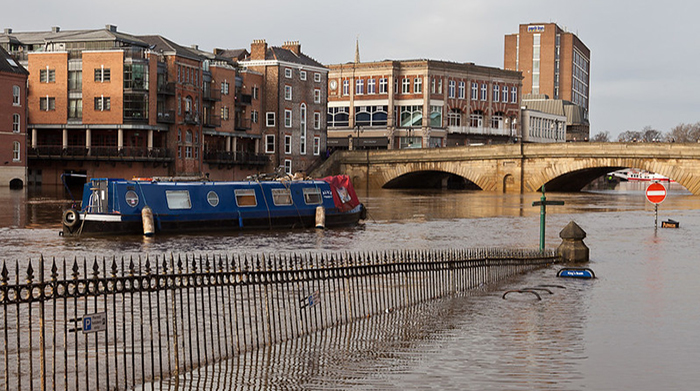
Image courtesy of Allan Harris under Attribution-NoDerivs 2.0 Generic Deed, resized to 700 x 391 pixels.
New research is emerging that shows the degree to which urban environments can influence and are impacted by extreme rainfall. Simply put, streets, buildings, heat, and pollution can shape local weather, while heavy rain can create inconveniences and cause damage.
This is important information for any utility operating within one or more urban environments, so I thought it would make a great topic for today’s blog post.
How Cities and Extreme Rainfall are Intertwined
There are several reasons why cities can worsen the severity of extreme rainfall. Urban development changes the land surface, pavement and rooftops replace soil and vegetation which reduces the amount of rain that can soak into the ground, and buildings alter wind and turbulence while also storing and releasing heat – potentially encouraging clouds and thunderstorms to form or strengthen downwind.
Cities also emit tiny particles that can affect how cloud droplets form and develop. The effects are complex: depending on local weather, terrain, and pollution, urban areas may intensify rainfall, shift where it falls, or have little measurable influence. A city does not control a storm, but it can become part of the conditions that shape its development and movement.
That influence meets a city already made vulnerable by its design. When intense rain overwhelms drains, water rushes over hard surfaces, floods streets and basements, and can carry pollutants into rivers. Low-lying neighborhoods, aging infrastructure, and unequal access to protection often make the consequences worse. Severe flooding can disrupt transit, damage homes and businesses, and threaten health and safety.
Reducing risk takes more than building bigger pipes. Cities can pair conventional drainage with “stormwater sponges” that slow, store, and absorb water: restore wetlands, plant street trees, install rain gardens and green roofs, and use permeable pavement where suitable. Parks and floodable public spaces can safely hold runoff during cloudbursts. At the same time, cities should maintain and upgrade sewers, clear inlets, separate stormwater from sewage where feasible, and add storage basins or tunnels in high-risk areas.
Clearly, no single intervention can prevent extreme rainfall. But by treating water as a system to manage – and recognizing that urban form can influence local weather – cities and the utilities that serve them can recover faster and adapt as storms change.