How Distribution Planning Impacts Storm Restoration
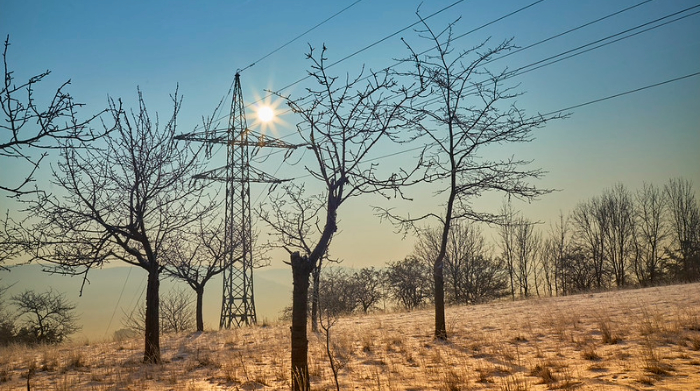
Image courtesy of Joachim Aspenlaub Blattboldt under Attribution-NonCommercial-NoDerivs 2.0 Generic Deed, resized to 700 x 391 pixels.
There’s no doubt that maintaining reliable power delivery is getting harder and harder, which is why distribution planning must play a larger role for electric utilities. Effective distribution planning is crucial for minimizing outages and accelerating storm restoration. By adopting modern strategies and technologies, utilities can significantly enhance their grid resilience.
Enhancing Distribution Planning for Better Restoration Results
One key area for improvement is advanced data analytics. Analyzing data from smart meters, sensors, and prior outages can reveal patterns, predict potential weak points in the grid, and optimize maintenance schedules. Predictive analytics can identify equipment at risk of failure, allowing for proactive replacements and preventing outages before they occur.
Another crucial aspect is investment in grid hardening. This includes replacing aging infrastructure with more robust equipment, such as stronger poles (such as composite utility poles) and undergrounding vulnerable power lines. While costly, these investments pay off in the long run by reducing the frequency and severity of outages during storms. Furthermore, implementing automated switching systems allows for rapid isolation of faulted sections of the grid, minimizing the impact of outages on customers.
Beyond infrastructure upgrades, utilities should focus on enhancing their storm restoration strategies. This involves developing detailed restoration plans, pre-staging equipment and resources in strategic locations, and training crews for efficient response. Investing in advanced communication systems is also vital for coordinating restoration efforts and keeping customers informed about outage status. Real-time information on outage locations and crew deployment allows for faster and more effective restoration.
Finally, integrating distributed generation resources, such as solar and energy storage technologies, can improve grid resilience. These resources can provide backup power during outages and reduce the strain on the grid during peak demand. Microgrids, in particular, can island themselves from the main grid and continue to operate during widespread outages, providing critical power to essential services.
The bottom lines is that by embracing these strategies, and digging deeper when it comes to distribution planning, electric utilities can boost reliability and restore power faster.