Detecting Substation Bushing Failures Before They Cause Outages
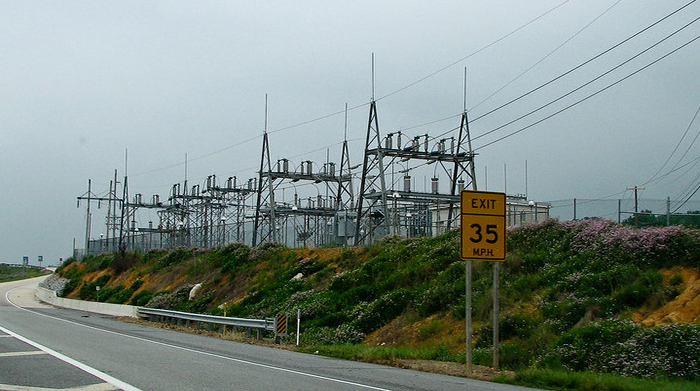
Image courtesy of versageek under Attribution-ShareAlike 2.0 Generic Deed, resized to 700 x 391 pixels.
Substation bushing failures can lead to catastrophic consequences, including fires, extensive equipment damage, and widespread power outages. Fortunately, electric utilities now have access to advanced techniques designed to detect and mitigate these failures before they escalate into a crisis.
Mitigation of Substation Bushing Failures
Bushings are critical components, acting as insulated pathways for electrical currents to enter and exit equipment like transformers and circuit breakers. Here’s a rundown of the primary methods for early failure detection:
Online condition monitoring: This involves installing sensors directly onto the bushings which monitor variables like temperature, partial discharge (PD) activity, and the dielectric properties of the insulating oil within the bushing. Elevated temperatures or increased PD levels are often precursors to insulation breakdown, sop early detection here is critical.
Infrared thermography: This encompasses the deployment of thermal cameras that periodically scan substations to identify “hot spots” on bushings, anomalies which are invisible to the naked eye but can signify increase electrical resistance and create internal faults. This non-contact method allows for quick assessments of multiple bushings during routine inspections.
Dissolved gas content (DGC) analysis: This method monitors a bushing’s insulating oil; when insulation breaks down, it releases specific gases into the oil. Laboratory analysis of oil samples taken from the bushing can reveal the type and concentration of these gases, providing valuable insights into the nature and severity of the developing fault.
Of course, once a potential issue is detected, mitigation strategies need to come into play. For minor issues like slight overheating, enhanced cooling or temporary load reduction on the affected equipment could be implemented. If PD activity is detected, it could indicate contamination or minor defects, prompting closer inspection and potentially a cleaning or sealing of the bushing.
For more severe detected faults or significant DGC anomalies, the most common mitigation is proactive replacement. While seemingly costly, replacing a suspect bushing before failure is significantly cheaper than the damage and downtime associated with a catastrophic event.
The bottom line is that substation bushing failures can cause cascading downstream effects, and so part of overall emergency preparedness efforts should include integrating advanced monitoring technologies with rigorous inspection protocols and a proactive approach to maintenance.