Researchers Sound the Alarm Over the Texas Grid
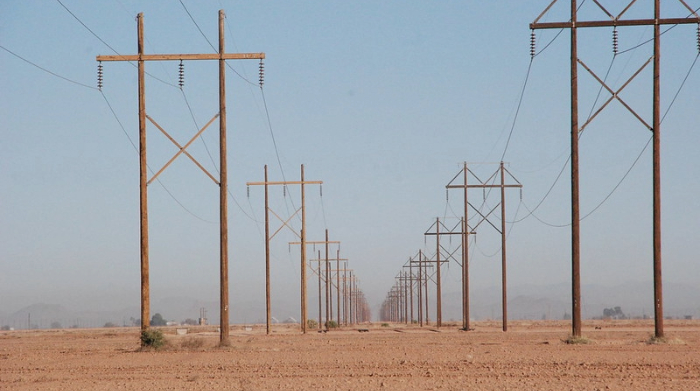
Image courtesy of Western Area Power under Attribution 2.0 Generic Deed, resized to 700 x 391 pixels.
The Texas grid, operated by the Electric Reliability Council of Texas (ERCOT), has faced significant challenges in recent years, raising concerns about its future reliability. And unfortunately, researchers from the University of Houston recently predicted that the grid is likely to be further strained in the coming years.
Why the Texas Grid May Face Future Shortfalls
One primary driver is the state’s rapid population growth. Texas is one of the fastest-growing states in the U.S., with hundreds of thousands of new residents each year. This influx of people has increased demand for electricity across the state.
Another driver is the increase in extreme weather events due to climate change. The Texas power grid is not adequately winterized, as demonstrated by the February 2021 winter storm that caused widespread blackouts. Power plants and natural gas infrastructure froze, leading to a massive drop in electricity generation. As warming temperatures continues to exacerbate climate extremes, the grid will face increasing pressure to withstand these events.
The increasing reliance on renewable energy sources like wind and solar also presents challenges. While these sources are essential for reducing carbon emissions, they are intermittent, meaning they don’t generate electricity at all times. When the wind isn’t blowing or the sun isn’t shining, the grid must rely on other sources of power, such as natural gas, to fill the gap. Ensuring a sufficient supply of these backup resources will be crucial.
Additionally, the aging infrastructure of the Texas power grid contributes to its vulnerability. Many power plants and transmission lines are old and in need of upgrades. These aging assets are more prone to failure, which can lead to outages and disruptions. Investing in modernizing the grid and replacing outdated equipment is essential.
In the final analysis, Texas faces a multitude of challenges that are expected to strain its reliability in the future. Population growth, extreme weather events, the integration of renewable energy sources, and aging infrastructure all contribute to the problem. Addressing these issues will be critical for the future viability of the Texas grid.