Why Water Utility Resilience Hinges on Digital Maturity
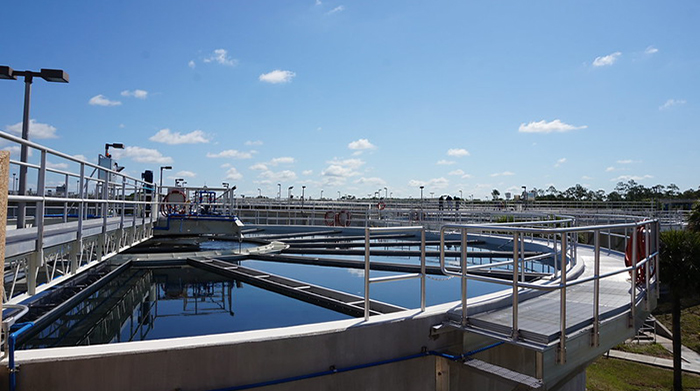
Image courtesy of Florida Water Daily under Attribution 2.0 Generic Deed, resized to 700 x 391 pixels.
I stumbled onto a terrific blog post today that focuses on the increasingly critical link between so-called “digital maturity” and operational resilience for water utilities. The article by Autodesk highlights how organizations that embrace digital transformation are better equipped to navigate disruptions, improve efficiency, and enhance customer service.
What is Digital Maturity and Why is It Critical?
The post emphasizes that digital maturity is not just about adopting new technologies, but about a fundamental shift in how utilities operate and manage their data. This involves a strategic approach to integrating digital tools across all aspects of the organization, from asset management and field operations to customer engagement and data analytics.
The article outlines the key benefits of digital maturity for water utilities, which include improved asset performance management. By leveraging digital twins, sensors, and data analytics, utilities can gain real-time insights into the condition of their infrastructure. This allows for proactive maintenance, reduced downtime, and optimized resource allocation. Predictive modeling can anticipate potential failures, enabling utilities to address issues before they escalate into major disruptions.
Furthermore, digital transformation enhances operational efficiency. Automated workflows, mobile field service solutions, and integrated data platforms streamline processes, reduce manual errors, and improve communication between departments. This leads to faster response times during emergencies like water main breaks and service interruptions, and contributes to overall system reliability.
Customer engagement is another area impacted by digital maturity. Online portals, mobile applications, and advanced metering infrastructure (AMI) empower customers with greater control over their water consumption and billing. Real-time data allows for more accurate billing, proactive leak detection notifications, and improved customer service, fostering trust and satisfaction.
The article stresses that achieving digital maturity requires strong leadership, a clear digital strategy, and a commitment to continuous improvement. Utilities that invest in their digital capabilities are not only building resilience against current and future challenges but are also positioning themselves for long-term success and sustainability in an ever-evolving landscape.