The Data Center Demand Conundrum
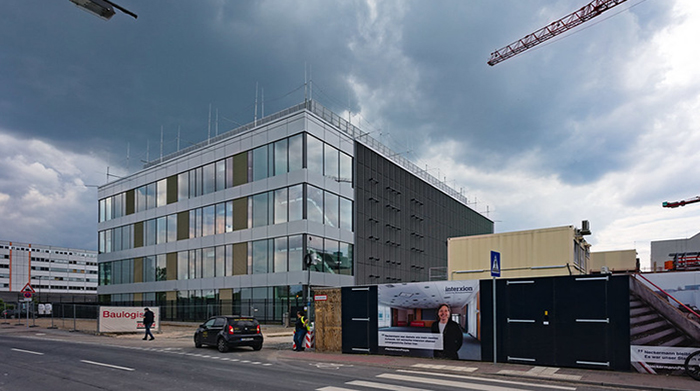
Image courtesy of conceptphoto.info under Attribution 2.0 Generic Deed, resized to 700 x 391 pixels.
Electric utilities are gearing up for the expected spike in data center demand in the coming years. This is a significant challenge. These facilities are voracious consumers of energy, and their rapid expansion throughout the country is causing worry about straining existing grid infrastructure, which could introduce headwinds to reliability and even lead to an increase in outages. Luckily, innovative solutions are being developed to meet this growing dilemma.
Strategies for Solving the Data Center Demand Challenge
One key strategy involves proactive planning and investment in grid modernization. Utilities are undertaking significant upgrades to transmission and distribution systems, anticipating future data center load growth in specific regions. This includes building so-called smart substations, reinforcing power lines, and installing advanced monitoring and control technologies to ensure grid stability and reliability.
Many utilities are also actively engaging with data center developers early in the site selection process. This allows for better forecasting of energy needs and helps identify locations where grid capacity can be most efficiently expanded. It also opens avenues for negotiating power purchase agreements that can support the development of new clean energy projects.
Another strategy is to increase investments in solar, wind, and energy storage technologies to meet the clean energy demands of data centers. Some utilities are exploring innovative models like dedicated renewable energy zones and virtual power purchase agreements (vPPAs) specifically tailored to data center clients. Battery energy storage systems, from large-scale battery farms to emerging technologies, are also crucial for managing the intermittent nature of renewables and ensuring a consistent power supply for these critical facilities.
Another option is to double down on demand-side management. While data centers inherently require substantial power, it is possible to implement best practices for energy conservation. Additionally, exploring smart grid technologies that can intelligently manage energy consumption, potentially shifting non-critical loads to off-peak hours, offers another layer of solution.
Data center demand is a real problem, one that impacts emergency preparedness. Deploying best-in-class solutions is the only way to ensure the lights stay on for data centers without compromising the grid’s integrity.