Electric Utilities are Increasingly Vulnerable to Drone Attacks
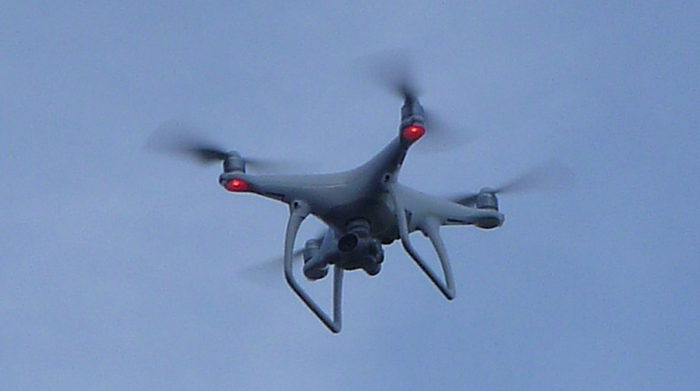
Image courtesy of vvverve under Attribution-NonCommercial 2.0 Generic Deed, resized to 700 x 391 pixels.
Drone attacks are becoming an increasingly tangible threat to the U.S. electric industry. While often envisioned for recreational use or delivery services, these unmanned aerial vehicles (UAVs) can be weaponized or used for malicious reconnaissance and sabotage, posing a significant vulnerability to the nation’s power grid.
Prepping for Drone Attacks is Growing in Importance
Substations are often prime targets. A small drone, equipped with explosives or even just capable of causing a short circuit by interfering with delicate equipment, could trigger cascading failures, leading to widespread and prolonged blackouts. Sensitive control centers and transmission towers are also vulnerable, with drones capable of delivering payloads that disrupt operations or damage vital components.
Beyond direct attacks, drones can be used for sophisticated surveillance, mapping vulnerabilities and planning more impactful assaults. The low altitude and relative quiet of drone operations make it difficult to detect and track using traditional security measures, presenting a unique challenge for utility operators.
To counter this evolving threat, electric utilities must adopt a proactive and multi-layered defense strategy. The first pillar is detection and defense. This includes deploying advanced radar and electro-optical/infrared (EO/IR) detection systems capable of identifying and tracking low-flying drones. Pairing these with effective counter-drone technologies, such as jammers or net-launching systems, can neutralize immediate threats.
Beyond detection and defense, robust cybersecurity measures are essential. Utilities must secure their operational technology (OT) networks, which control physical grid assets, from remote cyber intrusions that could be facilitated by drone-based reconnaissance or direct physical access to equipment. Regular vulnerability assessments and penetration testing, specifically including drone-related attack vectors, are crucial for boosting cyber resilience.
Also, utilities should collaborate with federal agencies like the Department of Homeland Security and the FAA, as well as local law enforcement, to share drone and cyber-threat intelligence and develop coordinated response plans. Training security personnel to recognize and respond to drone threats is also vital.
The bottom line is that investing in drone detection and mitigation technologies, coupled with comprehensive physical and cybersecurity protocols, will be essential for safeguarding the electric grid from drone attacks going forward.