How Drones are Revolutionizing Transmission Line Inspections
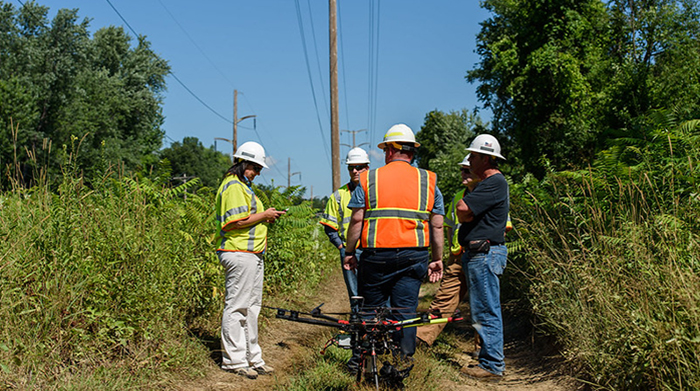
Image courtesy of Eversource NH under Attribution-NoDerivs 2.0 Generic Deed, resized to 700 x 391 pixels.
Electric utilities are increasingly turning to drones or Unmanned Aerial Vehicles (UAVs) to help optimize their transmission line inspections. Simply put, autonomous drones can cast a much wider geographical net in a shorter period of time compared to inspections done via helicopters or boots on the ground.
Why Transmission Line Inspections and Drones go Hand in Hand
One of the most compelling advantages of drone deployment is enhanced safety. Traditionally, inspecting critical assets like transmission towers, power lines, and substations involved sending crews to hazardous locations, often at heights. Drones eliminate this risk by allowing remote inspection of these dangerous areas, significantly reducing the potential for worker injuries and fatalities.
Efficiency is another major win. Drones can cover vast areas and inspect multiple assets in a fraction of the time it would take ground crews. This speed translates to quicker identification of potential issues, allowing for proactive maintenance and minimizing downtime.
Furthermore, drones equipped with advanced sensors like thermal and infrared cameras can detect subtle anomalies, such as overheating components or developing faults, that might be missed by visual inspection alone. This leads to more accurate and comprehensive data, empowering utilities to make better-informed decisions about maintenance and asset management.
Due to all these factors, the cost savings of drone transmission line inspections are substantial. Reducing the need for helicopters, specialized climbing gear, and extensive personnel hours directly impacts operational budgets. Drones offer a more economical solution for routine inspections, freeing up resources for other critical utility operations.
To maximize these benefits, electric utilities should focus on thorough planning (defining inspection objectives, selecting appropriate drone technology and sensors, establishing flight paths, etc.), robust training, compliance with regulations, data management and analysis, and establishing protocols for regular maintenance and calibration of drone equipment to ensure reliable performance.
Yes, there is a lot of upfront planning and due diligence required to build an effective drone program, but it’s well worth it. By embracing drone technology and adhering to best practices, electric utilities can significantly enhance the efficiency of transmission line inspections while improving safety, reducing costs, and gaining a more insightful understanding of their infrastructure’s health.