How the War with Iran Threatens US Utilities
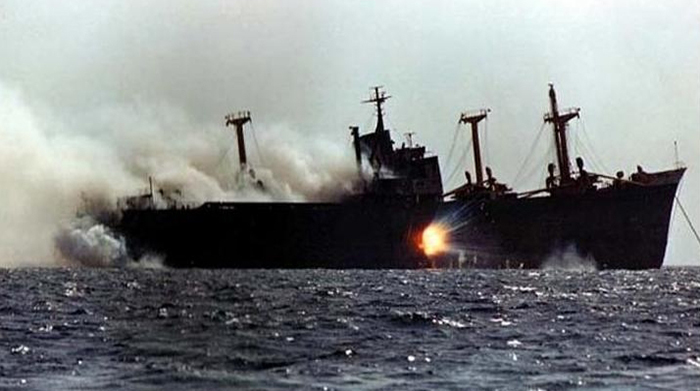
Image courtesy of Ashlan Media under Attribution-NonCommercial-NoDerivs 2.0 Generic Deed, resized to 700 x 391 pixels.
The war with Iran is one that nobody wants. Well, except for maybe one person…
Unfortunately, there isn’t much we can do about it other than be as prepared as possible. This is critical because the infrastructure underpinning American society – power grids, water treatment facilities, and communication networks – faces a heightened risk of both physical disruption and sophisticated utility cyberattacks due to this unnecessary war.
Emergency Preparedness as It Relates to the War with Iran
Probably the main risk posed by the war with Iran is that Iranian state-sponsored or affiliated cyber actors could launch targeted attacks against utilities. The interconnected nature of modern utilities means that a successful breach of one system could have cascading effects, leading to widespread power outages, disruptions in water supply, and failures in communication networks essential for emergency response and daily life. Such attacks could be designed to cripple the U.S. economy, sow public fear, and undermine national security without firing a single shot.
Beyond the growing cyber threat landscape, U.S. utilities with supply chains linked to the Middle East could face logistical complexities and supply chain vulnerabilities, which could impact the availability of essential resources, spare parts, and specialized equipment needed for O&M activities.
Furthermore, the disruption of global shipping lanes or financial markets, a probable consequence of a U.S.-Iran conflict, could indirectly affect utility operations by increasing costs, delaying deliveries, and creating broader economic instability. Utilities, often operating on thin margins, could find themselves under immense financial pressure, potentially impacting their ability to invest in infrastructure upgrades and cybersecurity measures.
In conclusion, a U.S. war with Iran presents a complex risk landscape for domestic utilities. The threat spectrum encompasses not only the potential for direct physical attacks but also the pervasive and insidious danger of cyber warfare, alongside the indirect economic and logistical challenges that could cripple essential services. Proactive defense, robust cybersecurity, and resilient infrastructure planning are paramount to mitigating these evolving threats.