US Drinking Water Infrastructure is a Ticking Time Bomb
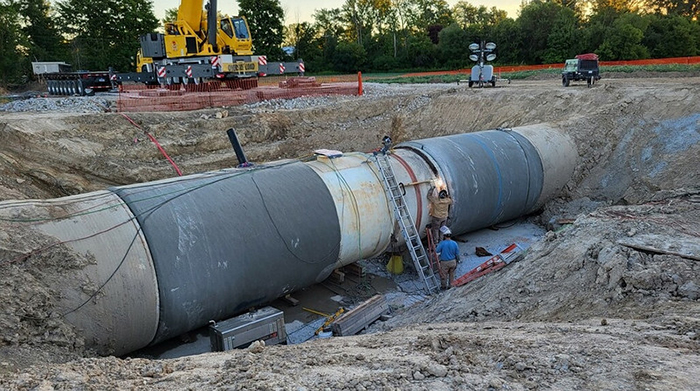
Image courtesy of Gear+Head under Attribution-NonCommercial-ShareAlike 2.0 Generic Deed, resized to 700 x 391 pixels.
The U.S. is facing a silent, yet severe, crisis: its aging drinking water infrastructure is crumbling under the weight of decades of underinvestment. It’s a ticking time bomb, threatening reliability. The question is – what can water system operators do about it?
Concerns with the Drinking Water Infrastructure
From decaying pipes to outdated treatment facilities, the nation’s water systems are in desperate need of repair, maintenance, and modernization. The American Society of Civil Engineers (ASCE) estimates that between 2021 and 2040, the U.S. will need to invest a staggering $744 billion to adequately upgrade its drinking water infrastructure. This figure is projected to climb significantly, with costs expected to reach unprecedented levels by 2050 as the existing systems continue to deteriorate. Literally hundreds of billions of dollars is being added to the national tab every year.
The consequences of this neglect are far-reaching, from huge amounts of water being lost every day due to leakage, to contaminants leaching into the supply. And from an emergency preparedness perspective, the increasing frequency of extreme weather events places additional stress on these vulnerable systems, leading to more service disruptions. And all of this doesn’t even factor in the growing threat of a cyberattack.
Water system operators are on the front lines of this crisis and can take proactive steps. First, advocating for increased federal and state funding is crucial. This includes actively participating in policy discussions, providing data on local needs, and highlighting the economic and health benefits of robust infrastructure investment.
Beyond seeking external funding, water utilities can focus on operational efficiencies, such as implementing smart water technologies like real-time monitoring and leak detection systems, and deploying more advanced asset management systems to allow operators to systematically assess the condition of their infrastructure, prioritize repairs, and develop long-term capital improvement plans.
Ultimately, addressing the drinking water infrastructure crisis requires a multi-pronged approach involving sustained investment, technological adoption, and a commitment to proactive management. The health and prosperity of communities across the nation depend on it.