Impact of the Gas Turbine Shortage on Electric Utilities
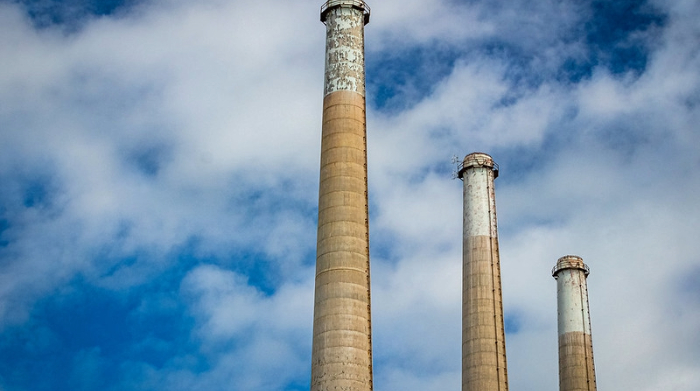
Image courtesy of Charlie Day under Attribution-NoDerivs 2.0 Generic Deed, resized to 700 x 391 pixels.
The electric utility sector is currently grappling with a significant challenge – a persistent gas turbine shortage. These turbines, crucial for powering peaking plants and combined-cycle power plants, are facing extended lead times and limited availability, impacting utilities’ ability to maintain grid stability and meet growing demand.
Cause and Effect of the Gas Turbine Shortage
According to the EPRI, suppliers of rotor forgings and hot-section blades are the primary culprits. The reason is that these suppliers are few and far between due to the highly sophisticated manufacturing process that is required. The limited number of suppliers out there simply can’t keep up with demand.
Unfortunately, this reality has been brewing for years, starting with the general supply chain disruptions triggered by the Covid-19 pandemic. Simultaneously, increased demand for gas turbines, driven by the transition away from coal-fired power plants and the need for flexible generation sources to complement intermittent renewables, has further strained the market.
For electric utilities, this has led to longer lead times for new turbines, potentially jeopardizing their capacity expansion plans. Also, because replacement parts (and skilled technicians) are hard to come by, outages and maintenance times can drag out a little longer.
The gas turbine shortage can also hinder the integration of renewable energy sources. Gas turbines play a vital role in balancing the grid by quickly ramping up or down to compensate for fluctuations in solar and wind power output. Without sufficient gas turbine capacity, utilities may struggle to maintain reliability as renewable energy penetration increases.
Addressing the shortage requires a multi-pronged approach. Governments can incentivize domestic manufacturing of gas turbine components and invest in workforce development programs to train skilled technicians. Utilities can explore alternative generation technologies, such as battery storage and demand response programs, to reduce their reliance on gas turbines and, subsequently, the impact of the gas turbine shortage on their operations.