Are Grid-Scale Virtual Power Plants Feasible?
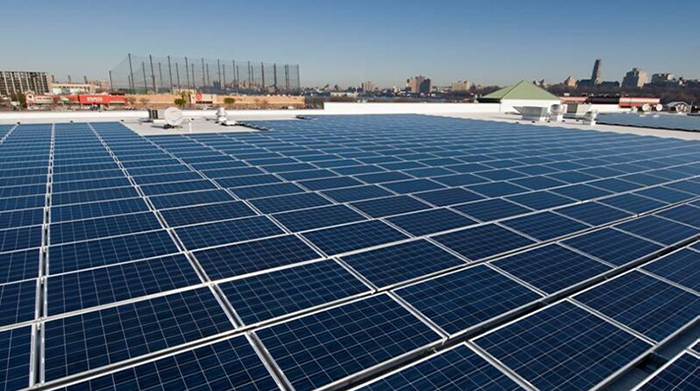
Image courtesy of Kimco Realty under Attribution-NoDerivs 2.0 Generic Deed, resized to 700 x 391 pixels.
Grid-scale virtual power plants (VPPs) are no longer a futuristic concept, but adoption rates amongst electric utilities remain low. Standard (i.e., non-grid-scale) VPPs are on the rise, but the notion of utilities actually incorporating grid-scale versions of this technology into the generation mix remains a murky concept.
Pros and Cons of Grid-Scale Virtual Power Plants
VPPs are distributed energy resources, aggregated and managed by sophisticated software. Essentially, a virtual power plant is a network of behind-the-meter resources, such as solar panels, battery energy storage systems, electric vehicles, and smart appliances, that can be remotely controlled and dispatched to provide electricity to the grid when needed. So, in theory, grid-scale virtual power plants can offer a flexible and cost-effective alternative to traditional power generation. However, there are both pros and cons.
In general, the significance of grid-scale VPPs lies in their ability to enhance grid stability and reliability. VPPs can respond rapidly to fluctuations in supply and demand, thereby reducing reliance on peaker plants, which are often fossil-fuel-based and expensive to operate. This flexibility is crucial as grids increasingly integrate intermittent renewable energy sources like solar and wind.
Another key advantage of VPPs is their cost-effectiveness. They enable the utilization of existing assets, transforming them into grid-supportive resources. This approach can defer or even avoid costly investments in new infrastructure. Furthermore, VPPs can provide valuable grid services such as frequency regulation and demand response, helping to maintain grid balance and reduce overall operational costs.
Unfortunately, the overall regulatory framework belies the grid-scale VPP adoption rate. While utilities are beginning to explore pilot projects and integrate VPPs into their grid operations, these efforts are not governed by clear policies and market mechanisms.
Specifically, outdated planning models often underestimate the benefits of large VPPs, deterring adoption. Also, the rules associated with integrating VPPs into wholesale markets vary depending on the jurisdiction. Other challenges include lack of technological standardization, visibility constraints, and unreliable data security.
So, yes, grid-scale virtual power plants are feasible, but the challenges currently outweigh the benefits, putting a damper on utility adoption rates.